
The Allure of Risk: Why People are Drawn to Gambling
The thrill of risk is a powerful motivator in human behavior, and this is vividly illustrated in the world of casino gambling. Many individuals are captivated by the potential for large rewards, which often outweighs the fear of loss in their minds. The excitement generated by the possibility of winning creates a dopamine rush, a chemical response that reinforces the desire to engage in gambling activities like an instant withdrawal casino that offers quick payouts. This psychological mechanism can lead to a compulsive cycle of betting, where players chase that exhilarating high associated with potential wins.
Additionally, the casino environment itself enhances this allure. With bright lights, engaging sounds, and a vibrant atmosphere, casinos are designed to keep players immersed and excited. These sensory elements stimulate emotions and reinforce the idea that winning is just around the corner. This unique ambiance can often lead to an altered state of perception where players might overlook the increasing likelihood of losses, leading them further down the path of gambling. The design of gaming spaces is not merely aesthetic; it serves to amplify the participants’ emotional engagement.
Moreover, the concept of risk-taking is not solely limited to monetary gains; it often encompasses social aspects as well. For some, gambling becomes a social event, a chance to bond with friends or meet new people. This social interaction can amplify the thrill of gambling, making it not just an individual pursuit but a communal experience that heightens the excitement of the activity. The combination of psychological and social factors creates a compelling environment that draws people into the world of gambling, making it an attractive option for many.
The Illusion of Control: Cognitive Biases in Gambling
Cognitive biases play a significant role in shaping a gambler’s behavior. One of the most prominent biases is the illusion of control, where individuals believe they can influence the outcome of a game of chance. This misconception leads many to partake in strategies they believe will improve their odds. For example, a player may think that selecting particular numbers or colors in a game of roulette enhances their chances, despite the fact that the game’s outcome is random and beyond their control.
This illusion is often reinforced by anecdotes of past wins, where individuals attribute their success to skill rather than luck. Such narratives bolster the belief that they can replicate those outcomes in the future, often leading to more frequent betting. Gamblers frequently remember their wins more vividly than their losses, a phenomenon known as selective memory. This selective recall further entrenches the illusion of control, as individuals fail to acknowledge how often luck plays a role in their gambling experiences.

Furthermore, the presence of near misses can complicate this cognitive bias. A near miss occurs when a player almost wins, which can create a false sense of hope and persistence. For instance, in slot machines, players might experience a near miss when two symbols align with a third symbol just out of reach. This can encourage them to continue playing in hopes of finally achieving that elusive win. The cognitive biases at play lead to a distorted perception of one’s skills, reinforcing continued gambling despite the unfavorable odds.
The Role of Emotion: How Feelings Drive Gambling Behavior
Emotion plays a critical role in gambling behavior, often influencing decision-making in ways that defy logic. Many gamblers use gambling as an escape from stress, anxiety, or depression, seeking solace in the adrenaline rush of betting. This emotional response can lead to a cycle where individuals gamble to improve their mood, only to find that losses exacerbate their emotional struggles. The temporary highs associated with winning create an emotional rollercoaster that keeps players returning for more, regardless of the consequences.
Additionally, the interaction of emotions with gambling can vary widely among individuals. For some, the thrill of the game equates to pleasure and joy, while for others, it may stem from the need to cope with negative emotions. This duality in motivation can create complex gambling habits that are difficult to control. For instance, a person might view gambling as a reward after a stressful week, but this behavior can quickly spiral into a problematic pattern impacting their emotional well-being.
Moreover, the social context within which gambling occurs can amplify emotional connections. The excitement shared among friends at a poker table can elevate the emotional stakes of the game, influencing decisions driven by camaraderie instead of rational thought. This social dimension enhances enjoyment but can also lead individuals to take larger risks than they might if gambling alone. Thus, emotions are intricately woven into the fabric of gambling behavior, driving individuals toward repeated engagement despite the potential for negative outcomes.
The Impact of Marketing and Casino Design on Gambling Psychology
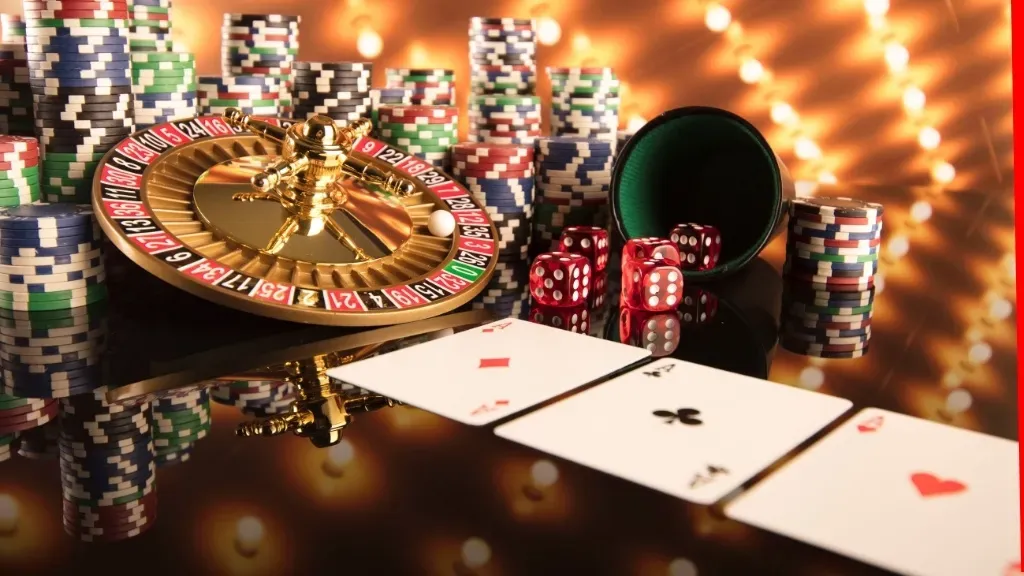
Marketing strategies and casino design are tailored to manipulate psychological triggers and enhance the gambling experience. Casinos invest heavily in creating an atmosphere that fosters excitement and engagement. Everything from color schemes to the layout of machines is meticulously planned to encourage prolonged play. For instance, the absence of clocks and windows creates a timeless environment, allowing players to lose track of time and their money as they immerse themselves in gaming.
Additionally, promotional tactics such as loyalty programs and bonuses exploit psychological principles. These incentives can lead players to feel rewarded and valued, reinforcing their bond with the casino. Marketing strategies often hinge on principles of scarcity and urgency, enticing players with limited-time offers that encourage immediate gambling. This manufactured urgency can cloud rational judgment, leading individuals to make impulsive decisions that contribute to sustained gambling behavior.
Social proof emerges as another powerful marketing tool utilized in casinos. By showcasing winners or having employees celebrate big wins, casinos create an atmosphere of success that can lure in more gamblers. This phenomenon plays into the psychology of conformity, where individuals are more likely to participate in behaviors they observe others enjoying. The combination of strategic marketing and casino design creates an enticing environment, capitalizing on psychological triggers that compel individuals to gamble more than they might have intended.
Your Resource for Understanding Gambling Psychology
If you’re looking to delve deeper into the psychology of gambling, this website serves as an invaluable resource. It offers comprehensive insights into the various psychological mechanisms behind gambling behaviors, providing readers with a nuanced understanding of why people gamble. By exploring articles, research studies, and expert opinions, visitors can gain a well-rounded perspective on gambling psychology and its implications.
In addition to educational content, the website features tools and resources for responsible gambling. Understanding the psychological factors at play can empower individuals to make informed decisions, minimizing potential risks associated with gambling. Whether for personal interest or professional knowledge, this site aims to equip readers with the tools necessary to navigate the complex world of gambling psychology effectively.
Furthermore, the website also offers a community forum where individuals can share their experiences, challenges, and strategies related to gambling. Engaging with others who understand the nuances of gambling can foster a sense of support and camaraderie. This collective knowledge base not only enhances personal understanding but also promotes responsible gambling practices, emphasizing the importance of maintaining a healthy relationship with gambling activities. Overall, the website is a comprehensive hub for anyone interested in the psychological dynamics of gambling.