Practical Guidance for Finding Fax Locations Near Me
What Does “Fax Locations Near Me” Really Mean?
When you type “fax locations near me” into a search engine, you’re usually looking for a physical place where you can send a fax quickly without owning a dedicated fax machine. This could be a retail store, a public library, a coworking space, or even a dedicated fax service center. Most people need this service for occasional documents, legal filings, or business communications that still require a traditional fax transmission.
Understanding the difference between a brick‑and‑mortar fax spot and a cloud‑based fax service is the first step toward choosing the right option. While a local storefront gives you a hard‑copy receipt and immediate confirmation, an online fax solution offers 24/7 access, digital storage, and often lower per‑page costs. Both approaches have distinct benefits, and the best choice depends on your frequency of use, budget, and security requirements.
Traditional Brick‑and‑Mortar Fax Spots
Physical fax locations are still popular because they don’t require any setup beyond showing up with your documents. Below are the three most common types you’ll encounter in the United States.
Public Libraries
Many public libraries maintain fax machines for community use. They typically charge a modest per‑page fee and may offer a limited number of free pages for members. Libraries are convenient if you need a quiet environment and don’t mind a short wait during peak hours.
Shipping and Office Supply Centers
Chains such as The UPS Store, FedEx Office, and Staples provide fax services alongside printing and copying. These locations usually have extended hours, multiple machines, and staff to help you format your documents correctly. Their pricing is transparent, but you’ll often pay a premium for convenience and speed.
Business Centers and Coworking Spaces
Many coworking facilities include fax capabilities as part of their membership packages. If you already rent a desk or private office, you may have unlimited faxing included, making it a cost‑effective option for regular users. Even day‑pass visitors can often access these machines for a fee.
How to Find Nearby Fax Services Quickly
The phrase “fax locations near me” can be turned into a fast search with a few simple steps. Start by opening Google Maps or your preferred navigation app and typing the keyword directly. The results will display pins for nearby stores, libraries, and service centers, often with user reviews and opening hours.
If you prefer a curated list, several online directories specialize in office services. Websites such as Yelp, YellowPages, and local chamber‑of‑commerce pages let you filter by “fax” and sort by distance, price, or rating. Don’t forget to check the location’s website for current pricing and any COVID‑related restrictions before you head out.
Comparing Costs and Convenience
Cost is a major factor when deciding where to fax. Below is a simple comparison of typical pricing structures for three common brick‑and‑mortar providers. Prices can vary by city, so treat this as a baseline.
| Provider | Per‑Page Cost (Black & White) | Per‑Page Cost (Color) | Additional Fees | Typical Hours |
|---|---|---|---|---|
| The UPS Store | $0.25 | $0.55 | Minimum $1.00 per fax | Mon‑Sat 8 am‑8 pm |
| FedEx Office | $0.30 | $0.60 | None for standard fax | Mon‑Fri 8 am‑7 pm, Sat 9 am‑5 pm |
| Public Library | $0.10 | $0.30 | Possible $0.50 processing fee | Varies by branch, typically 9 am‑5 pm |
When you add travel time, parking fees, and the inconvenience of waiting for a machine, the total cost of a brick‑and‑mortar fax can rise quickly. For occasional needs, the library may be the cheapest, but for urgent or high‑volume faxes, a dedicated office center might save you time.
When an Online Fax Service Is the Better Choice
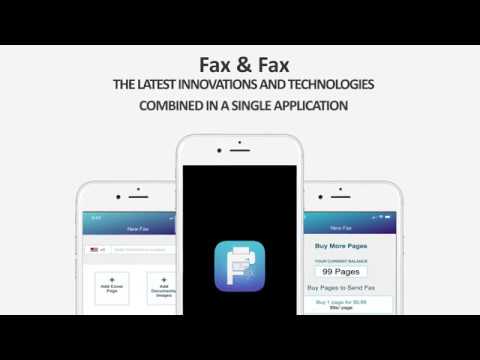
Digital fax platforms let you send and receive faxes from your computer, smartphone, or tablet, eliminating the need to visit a physical location. Features often include a secure dashboard, email integration, and the ability to store faxes in the cloud for future reference. This model is especially useful for remote teams, startups, and anyone who needs to keep a paper trail without the clutter.
Key benefits of an online fax service include:
- 24/7 accessibility—no opening hours to worry about.
- Pay‑as‑you‑go or subscription pricing that scales with usage.
- Built‑in encryption and compliance options for HIPAA, GDPR, or other regulations.
- Automation tools that route incoming faxes directly to CRM or document management systems.
Many providers also offer a free trial, so you can test the workflow before committing. If your fax volume exceeds a few pages per month, the per‑page cost of an online service often falls below the rates of most physical locations.
Setting Up a Fax Solution for Your Business
Whether you choose a local fax spot or a cloud service, a clear onboarding plan helps you avoid surprise fees and ensures reliable delivery. Follow these steps to get started:
- Identify your average fax volume and peak usage times.
- Choose a provider that matches your cost and security requirements.
- If using a physical location, locate the nearest spot and confirm operating hours.
- For an online service, create an account, verify your email, and upload a digital signature if needed.
- Integrate the fax number with your phone system, email client, or CRM using the provider’s API or forwarding options.
- Test the workflow by sending a sample fax to a trusted recipient.
Most online fax platforms provide a dashboard where you can monitor sent and received documents, view delivery reports, and manage contacts. Keep this dashboard handy to quickly address any delivery failures or security alerts.
Security and Privacy Considerations
Faxes often contain sensitive information—contracts, medical records, or financial statements—so protecting that data is essential. When using a brick‑and‑mortar location, ask whether the staff shreds the transmission logs and whether the machine is dedicated or shared.
Online fax services typically employ TLS encryption for data in transit and AES‑256 encryption for stored documents. Look for providers that are compliant with industry‑specific regulations (e.g., HIPAA for healthcare, FINRA for finance). Additionally, make sure the service offers two‑factor authentication and audit logs to track who accessed each fax.
Frequently Asked Questions About Fax Locations Near Me
Q: Do I need to bring my own paper?
A: Most physical fax spots provide the paper, but bringing your own can speed up the process and ensure proper formatting.
Q: Can I fax from my mobile device without an online service?
A: Some retailers offer mobile apps that let you upload a document and print it at the store for faxing, but an online service is generally more seamless.
Q: How long does a fax take to be delivered?
A: Traditional fax transmission typically completes within a few seconds, while online faxes may take a minute to process and appear in the recipient’s inbox.
If you’re still unsure which option fits your workflow, consider starting with a free trial of a reputable online fax service. It gives you a hands‑on feel for digital faxing without committing to hardware or a long‑term contract. For more detailed guidance on digital fax alternatives, you can visit this page.